

PVC Foam Board Specialty & Niche Applications
Supplier & Manufacturer in China

Why PVC Foam Board
Moisture resistance at the material level
Workable with standard tools
No splinters, no hazardous wood dust
Surface ready for finishing
Specialty Applications
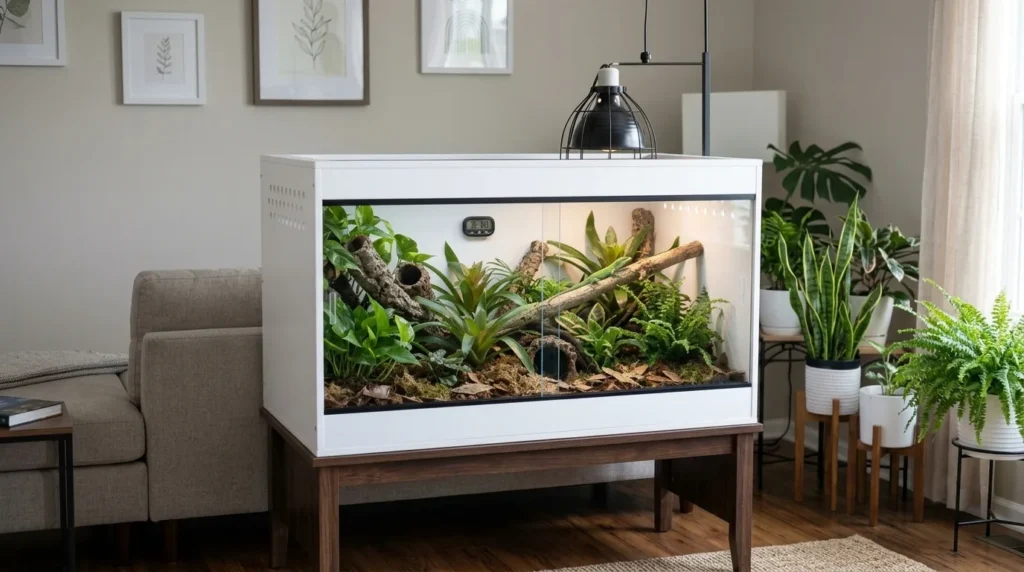
Reptile Enclosures & Vivariums
Model Making & Prototyping

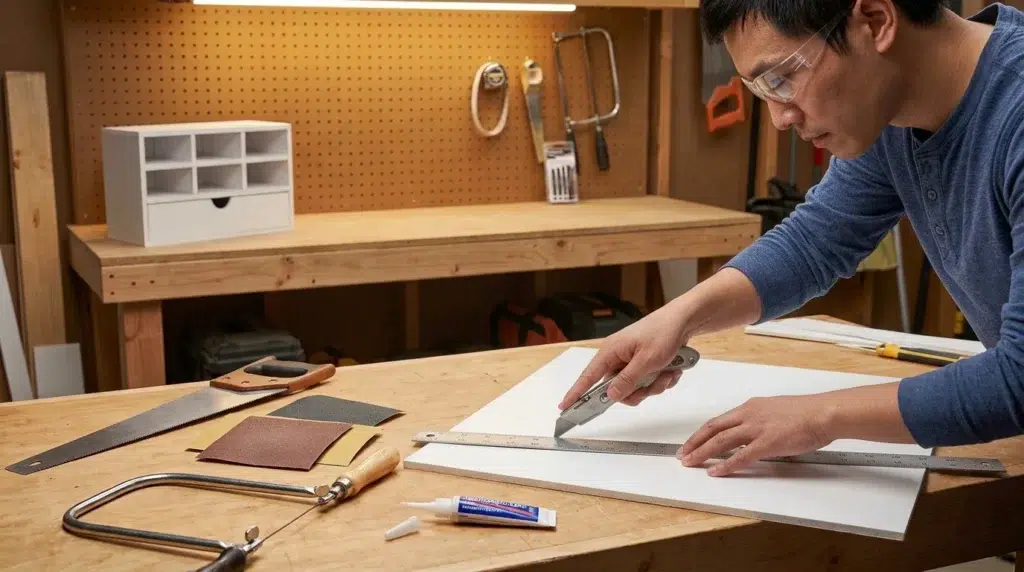
Custom Fabrication & DIY Projects
Not Sure If Fits Your Specific Application?
Considerations for animal enclosures
1.Heat lamps should not focus directly on the board surface. Use a guard or mount with an air gap.
2.PVC foam board is not a chew-proof material. For species that gnaw on enclosure walls, the board is not appropriate.
3.Confirm with the manufacturer that the specific board does not contain biocides, fungicides, or other additives inappropriate for animal contact. Allow the completed build to air out before introducing the animal. This is standard practice for any enclosure material.
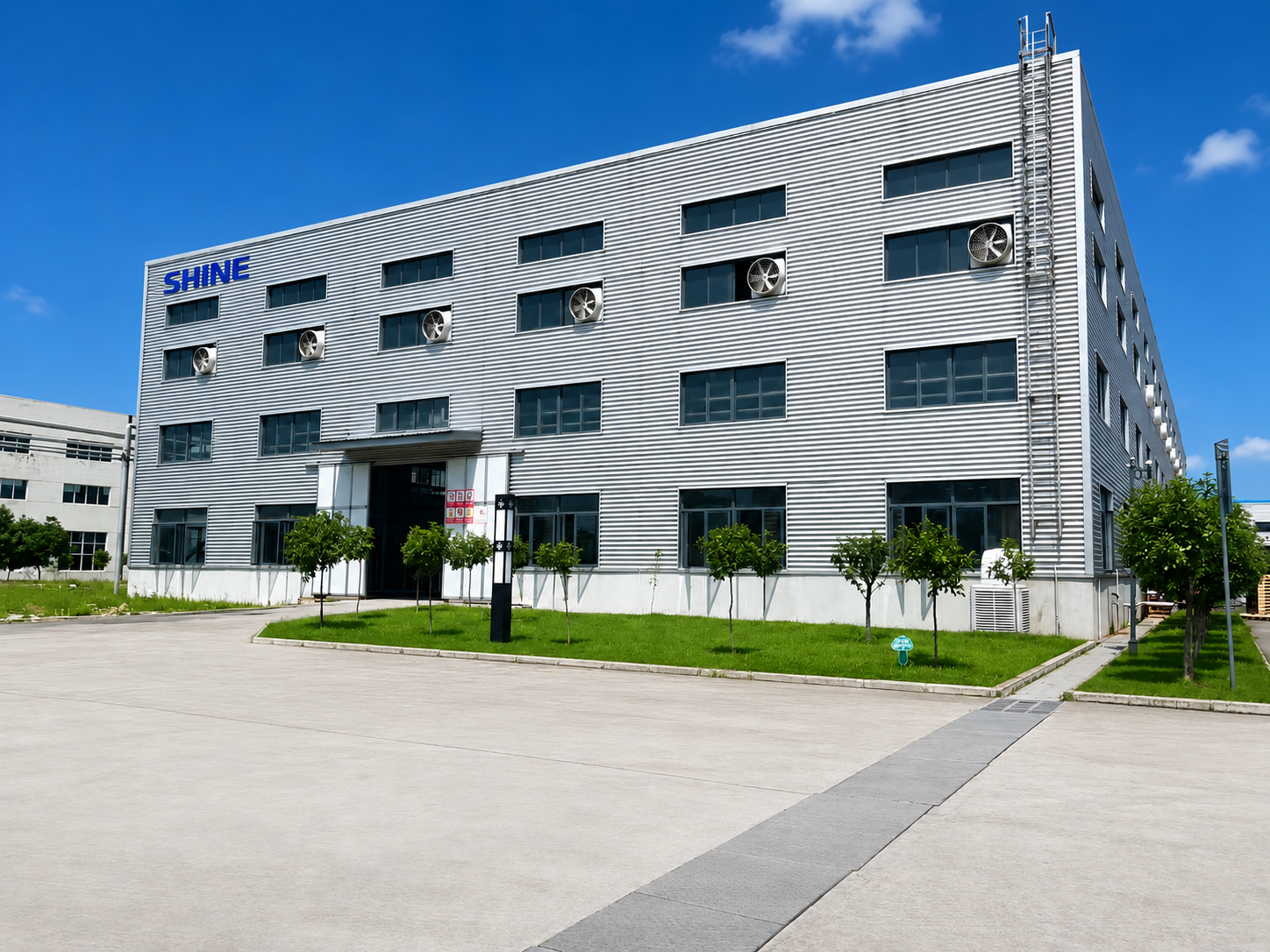
Shine Manufacturing Facility



Frequently Asked Questions
Answers to frequently asked questions about Shine products and services.
Yes. Free Foam board up to 5 millimeters thickness can be cut with a sharp utility knife. Score along a straight edge 10 to 15 times, cutting progressively deeper with each pass. When the cut reaches more than half the board thickness, position the score line along the edge of a table, hold the board firmly on the table, and snap the overhanging portion downward. The break will follow the score line. Sand the cut edge with 400-grit sandpaper for a smooth finish. Boards thicker than 5 millimeters are easier to cut with a fine-toothed saw.
Expanded PVC sheet is lighter, lower-density, and softer. It cuts easily but is more flexible and more easily dented. Rigid PVC foam board at higher density produces cleaner cuts and holds finer detail.
Yes. Water-based acrylic paints adhere well to PVC foam board. Lightly sand the surface with 400-grit sandpaper before painting to improve adhesion. Apply paint in thin coats, allowing each coat to dry before applying the next. Acrylic craft paints, artist’s acrylics, and acrylic spray paints all work. Avoid enamel paints and solvent-based spray paints, which can attack the PVC surface. The matte surface of Free Foam board accepts paint more readily than the smooth surface of Celuka board.
PVC foam board is used by reptile keepers for custom enclosure construction. The material is waterproof, does not support mold growth, and can be cleaned with reptile-safe disinfectants. Heat sources should be mounted with an air gap from the board surface rather than in direct contact. The enclosure should be well-ventilated. PVC foam board has not been specifically tested or certified for animal enclosure use, and keepers should consult species-specific husbandry guidelines for enclosure material recommendations.
PVC foam board can be used for garden applications such as planter box liners, garden signs, compost bin panels, and greenhouse shelving. Co-extruded board with UV-stabilized formulation provides the highest outdoor durability among the three PVC board types. Celuka board with UV protection is suitable for outdoor use with an expected life of five to seven years. Free Foam board without UV stabilization will yellow and become brittle within one to two years of outdoor exposure. For any outdoor application, the board should be mechanically fastened rather than solvent-welded to allow for thermal expansion and contraction.
Cyanoacrylate super glue works well for small craft joints and bonds quickly. PVC solvent cement creates a permanent welded bond by dissolving and fusing the PVC surfaces together. White PVA craft glue is suitable for non-structural bonds on light projects. Hot melt glue provides a fast bond for temporary or non-structural assembly. For foam-to-foam bonds, solvent cement provides the strongest joint because it creates a continuous material bridge rather than an adhesive layer.
PVC foam board absorbs below 1% water and shows only minor, reversible dimensional change during continuous immersion, far less than wood-based panels, so it can be used for aquarium backgrounds and internal tank dividers. The waterproofing of the assembly depends on the joints: use PVC solvent cement to join panels for submerged applications, because the solvent weld is waterproof and does not introduce foreign chemicals into the water. Allow the solvent cement to cure fully, typically 24 to 48 hours, before filling the aquarium. Rinse the assembled background thoroughly with water before placing it in the tank. For continuously submerged designs, confirm the jointing approach with Shine technical team.
Application recommendations for pet enclosures, model making, craft projects, and educational applications are based on general material properties and common usage practices in these communities. These applications are not regulated or certified by specific industry standards for PVC foam board in the way that furniture, building, or marine applications are. PVC foam board has not been specifically tested or certified for animal enclosure use, food contact, or toy safety in its standard grades. Ca-Zn stabilizer formulation (lead-free) is available for applications where safety is a concern. PVC foam board must never be cut with a laser cutter. Evaluate suitability for your specific project requirements before use.
Take the Next Step
Test the board on your own equipment. Request samples in your preferred thickness, density, and color.