

PVC Foam Board Signs & Advertising
Supplier & Manufacturer in China
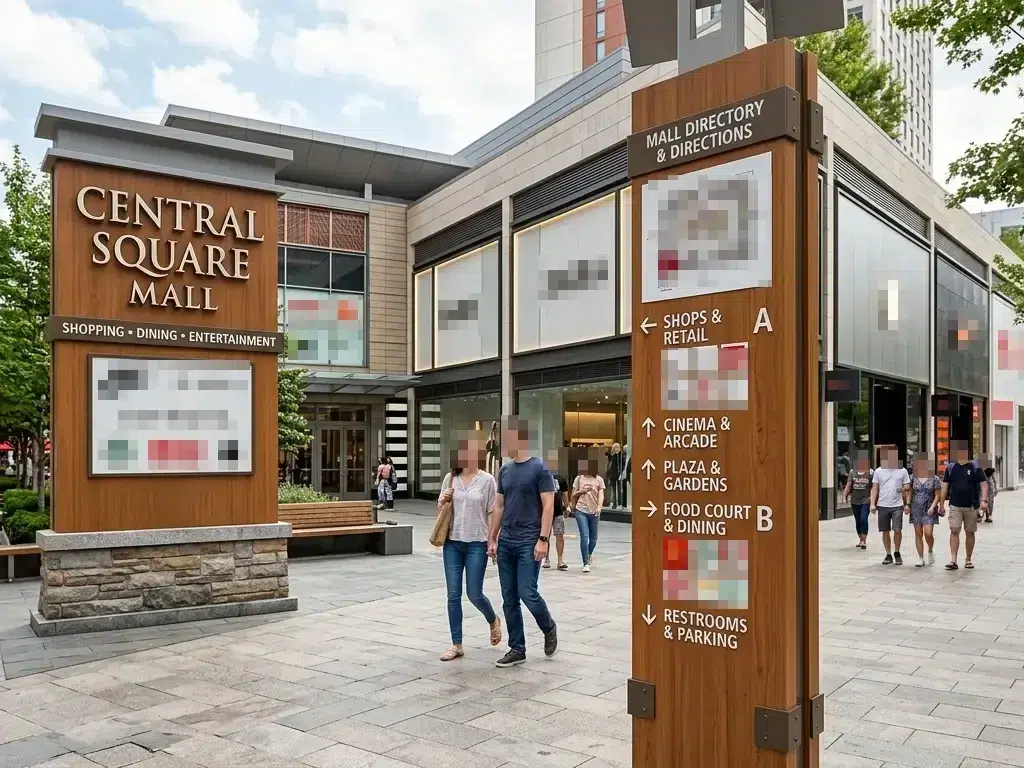
The Signage Substrate Problem: What Actually Matters When Choosing a Board
Surface Printability: The Foundation of High-Quality Signage
Flatness: Ensuring Consistent UV Printing Performance
Dimensional Stability: Preventing Warping in Real-World Applications
Matching Priorities to the Job
Cost: Evaluating Total Value Instead of Sheet Price Alone
Weight: Reducing Installation and Transportation Costs
How PVC Foam Board Compares to Acrylic, Aluminum Composite, and Corrugated Plastic
PVC vs. Acrylic Sheet
PVC vs. Aluminum Composite Panel
PVC vs. Corrugated Plastic Sheet
Applications by Component
For Indoor and Short-Term Signage

For Dimensional Lettering and Semi-Outdoor Signs
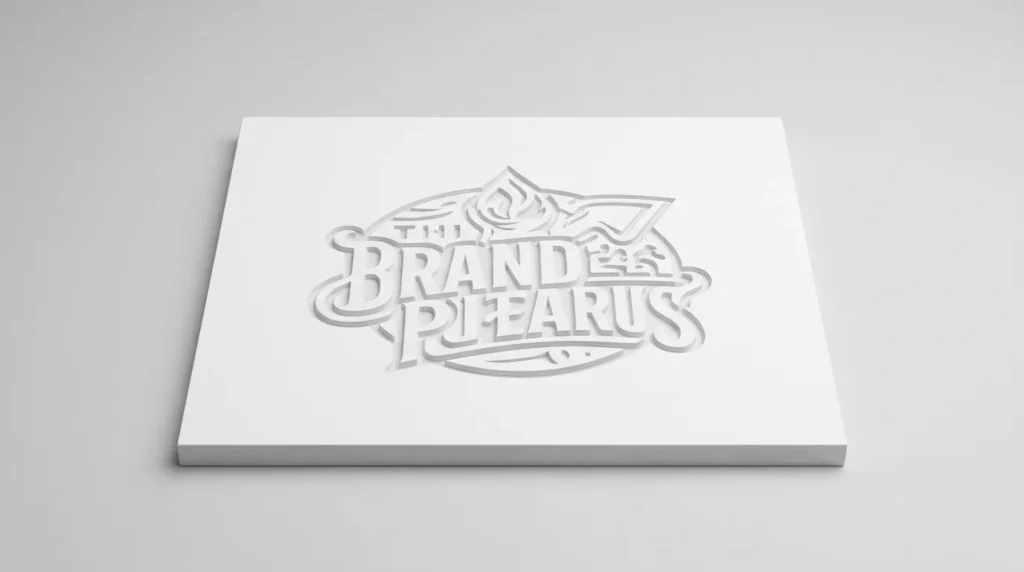
For Permanent Outdoor Signage
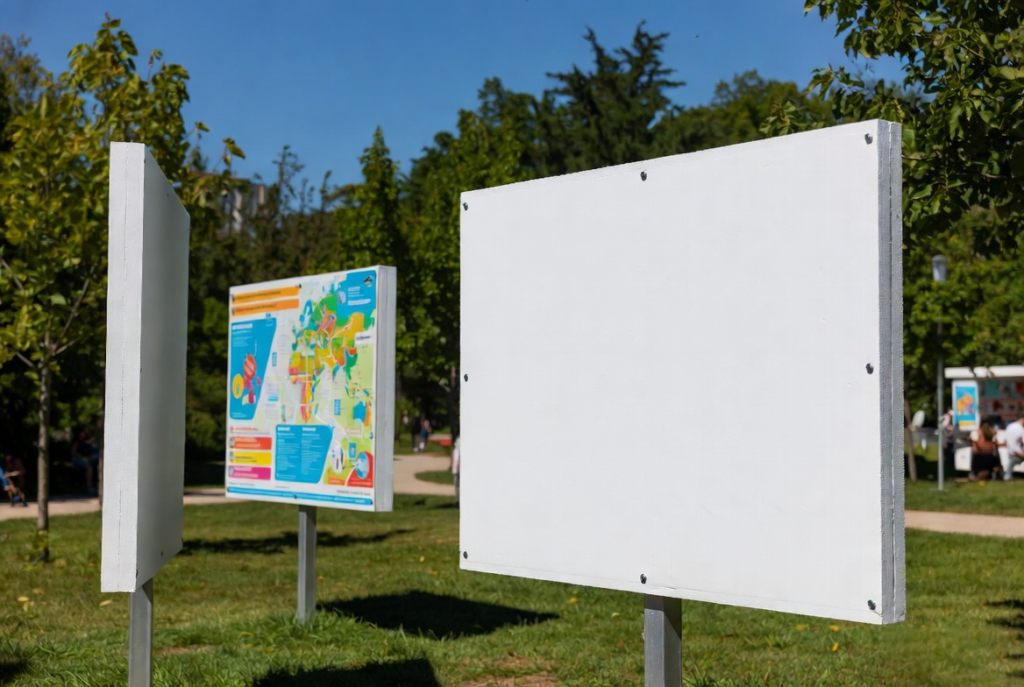
Not Sure If Fits Your Specific Application?
Material Selection for Sign Makers
Density Selection
| Density Range | Rigidity | Best For |
|---|---|---|
| 0.55 – 0.70 g/cm³ and above | Highest | Large-format signs that need to stay flat, outdoor signs where wind loading is a factor, signs that will be handled or transported frequently |
| 0.45 – 0.55 g/cm³ | Moderate | Most indoor signage, POP displays, exhibition graphics. Rigid enough for wall mounting, light enough for easy handling |
| 0.30 – 0.45 g/cm³ | Lower | Short-term indoor displays, temporary event signage, applications where the board is fully supported by a frame or backing |
Density Selection
| Sign Type | Recommended Thickness | Notes |
|---|---|---|
| Small signs (under 600 mm), wall mounted with full backing | 3 – 6 mm | Adequate for most indoor wall signs |
| Medium signs (600 – 1200 mm) | 10 mm and above | Prevents visible waviness across larger spans |
| Large signs (over 1200 mm) or suspended | 10 – 19 mm | Prevents visible waviness across larger spans |
Installation and Finishing for Signage Applications
Thermal Expansion Allowance
Fastener Selection and Placement
Paint and Coating Compatibility
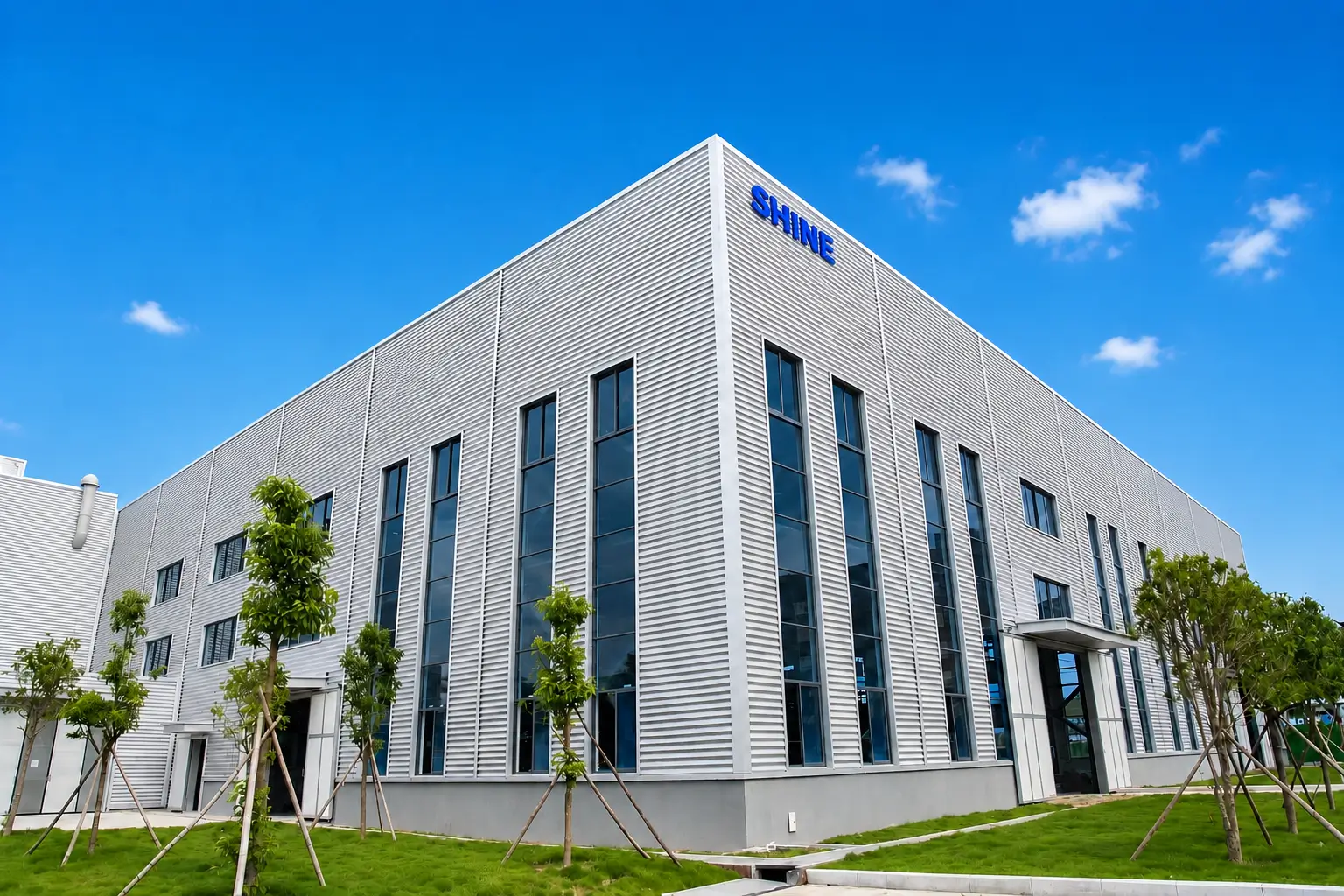
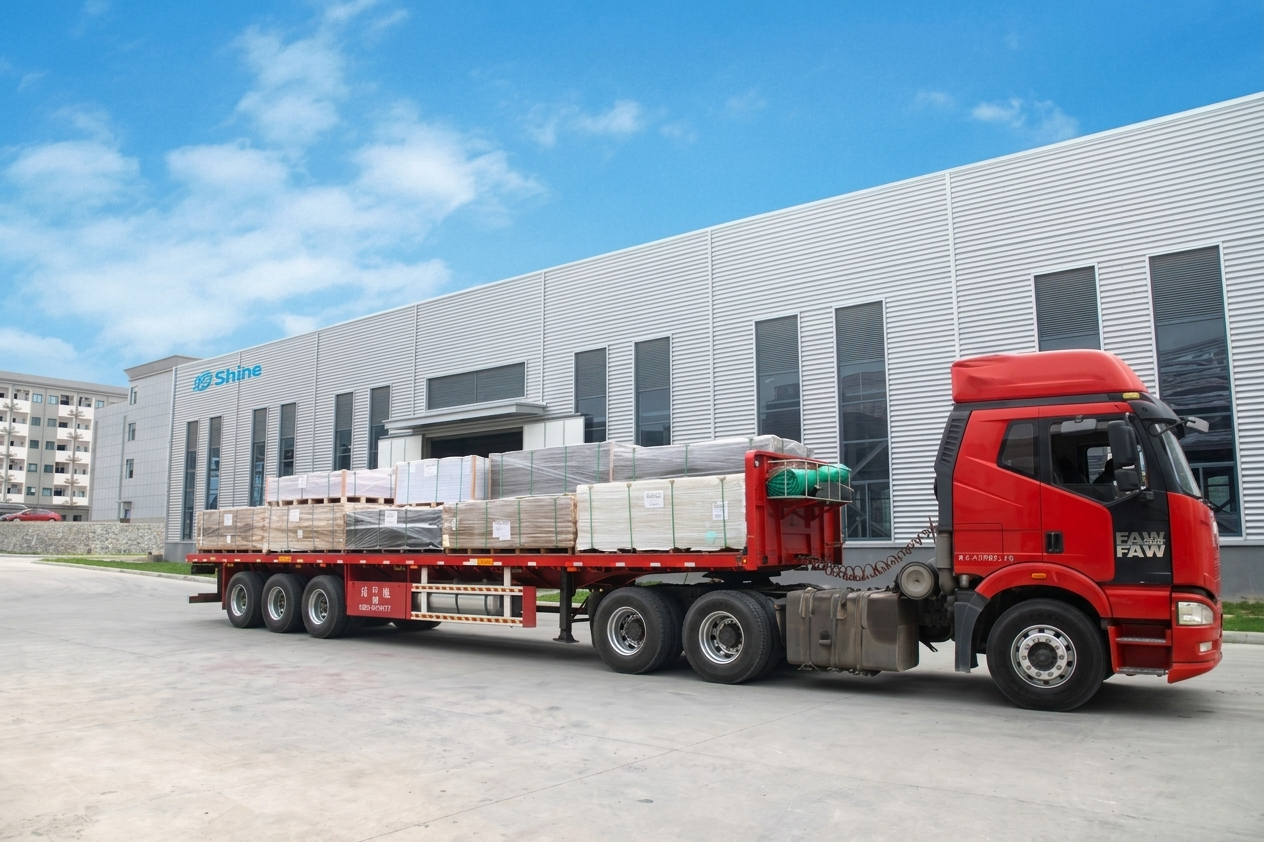
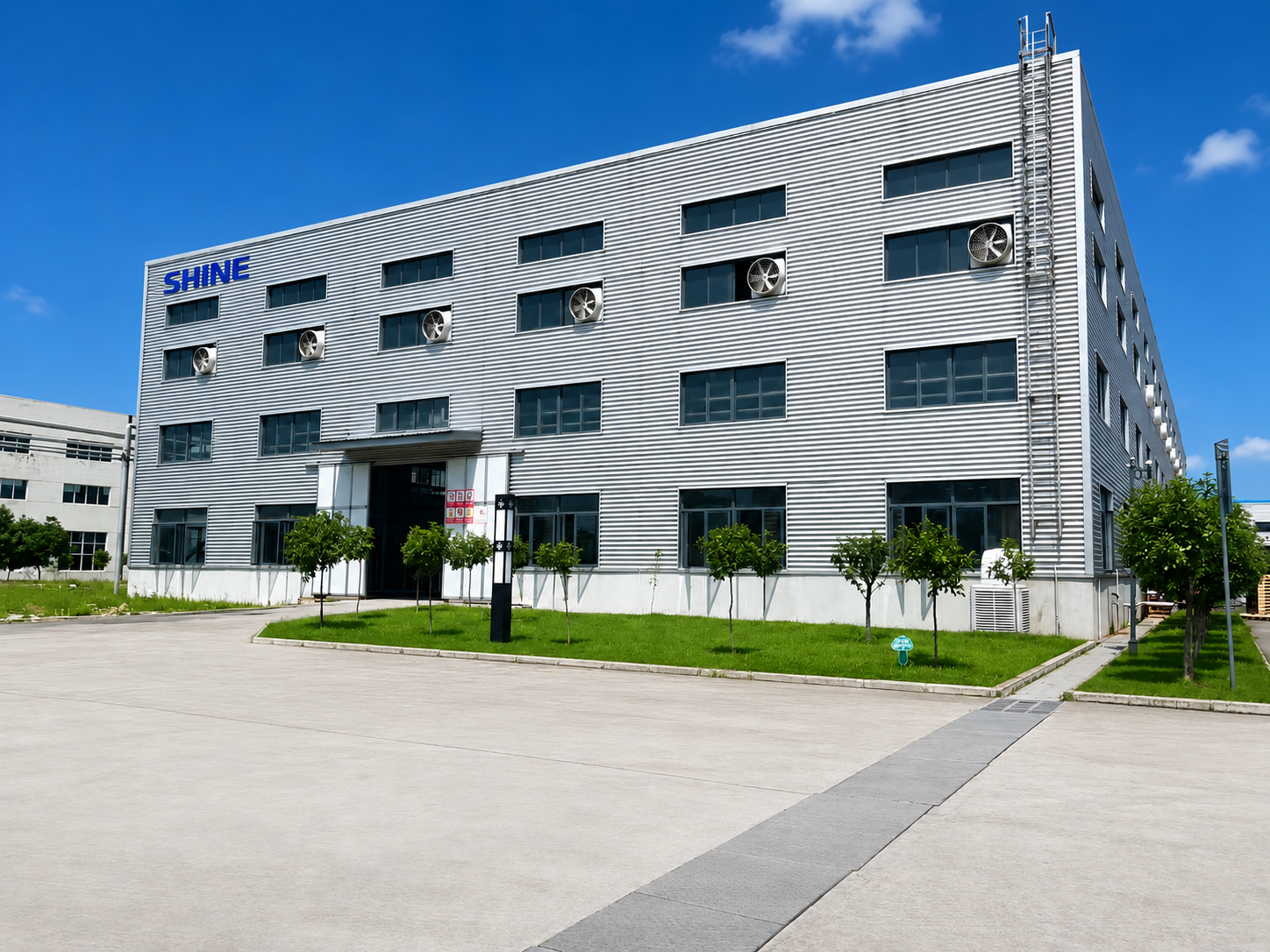
Shine Manufacturing Facility

Frequently Asked Questions
Answers to frequently asked questions about Shine products and services.
Rigid PVC sheet is denser, stronger, and more impact resistant. It is also heavier and more expensive. For a small sign that will be handled roughly, rigid PVC may be the better choice. For most standard indoor signage, POP displays, and exhibition graphics, PVC foam board is the more practical material.
It depends on the board type. Free Foam board needs no treatment: its matte surface texture provides mechanical anchoring for UV ink. Celuka-grade board has a smooth, lower-energy surface, so check the surface energy with a dyne pen before printing and apply corona treatment if it reads below 38 mN/m. Contamination from handling or storage can also reduce adhesion.
PVC foam board generally produces better print quality than foam-centered board. The PVC surface is smoother and more uniform than a paper liner, so fine details and gradients reproduce more cleanly.
Dust and light soiling can be removed with a soft cloth and water. For more persistent dirt, a mild detergent solution is safe to use. Avoid abrasive cleaners, scouring pads, and solvents including acetone, methyl ethyl ketone, and paint thinners, as these can attack the PVC surface. For outdoor signs, periodic cleaning extends the service life by removing dirt that can hold moisture against the surface.
Yes. PVC foam board can be heated and bent. Celuka and Free Foam board soften sufficiently for bending when heated uniformly to 70 to 120 degrees Celsius. The minimum bend radius is approximately two to three times the board thickness. Co-extruded board requires higher temperatures, 120 to 140 degrees Celsius, due to its denser surface layer. Heating should be gradual and uniform. Cool the bent panel at room temperature rather than quenching with water, which can introduce internal stresses that cause the panel to warp later.
Standard sheet sizes include 1220 by 2440 millimeters, 1560 by 3050 millimeters, and 2050 by 3050 millimeters. The maximum production width is typically 2050 millimeters, and the length can be cut to order subject to handling and shipping constraints. For signs larger than a single sheet, panels can be butted together with a visible seam, or designed with intentional gaps as a design feature.
Request samples that match your intended application. Print the samples on your production equipment using your normal settings. Evaluate print adhesion, color reproduction, and surface quality before proceeding to a small order.
Take the Next Step
Pick the option that matches your stage in the decision process.